

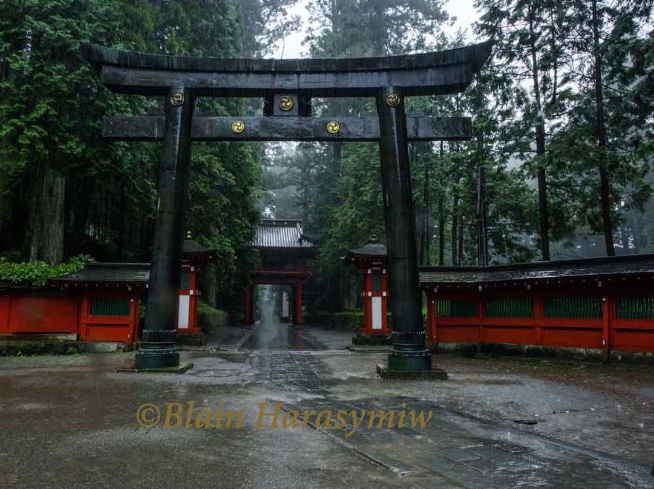
Harsh weather rain & snow covers for camera gear is a must. On our last trip to "Nikko Japan," while I was leading another Japan Photograph Tour we got hit by surprise by a slow-moving typhoon.
Typhoon Etau slammed into the Kanto region of Japan in September of 2015 while I was leading my annual Nikko photo tour. I often look back at these times and share my stories in the hope; it will educate tourists and locals on safety protocols when time is sensitive on an impending possible natural disaster.
On that fateful morning, I woke up to birds chirping and beautiful skies at our lodgings, about 90min before breakfast at our accommodations in Nikko. I quickly checked the Japan Metorlocial Agency, and I saw typhoon Etau was headed straight for us, and this typhoon was packing a punch and was going to hit us in about 9 hours. I knew there was nothing to do at this point, so after luxuriating in my morning onsen ritual, clients were sitting enjoying breakfast, and I sat down to join in on the morning meal. Then, the hotel owner came rushing in panicked to alert us of the incoming typhoon and the magnitude of the situation and told us we couldn't stay that night. He reported that we had to evacuate his lodgings and leave Nikko immediately. We finished breakfast at 0800, and the owner asked us to leave quickly; I asked him where he was getting his evacuation info? He said from the radio and tv and how everyone "tourists were leaving Nikko is busloads," and that is when I knew he had no idea about evacuation protocols. I know the local roads and highways, and I knew there was already a 50km traffic jam heading into Tokyo. I told my clients we would check out at 10 am, and I advised clients to go and enjoy the onsen, and I and a few did.
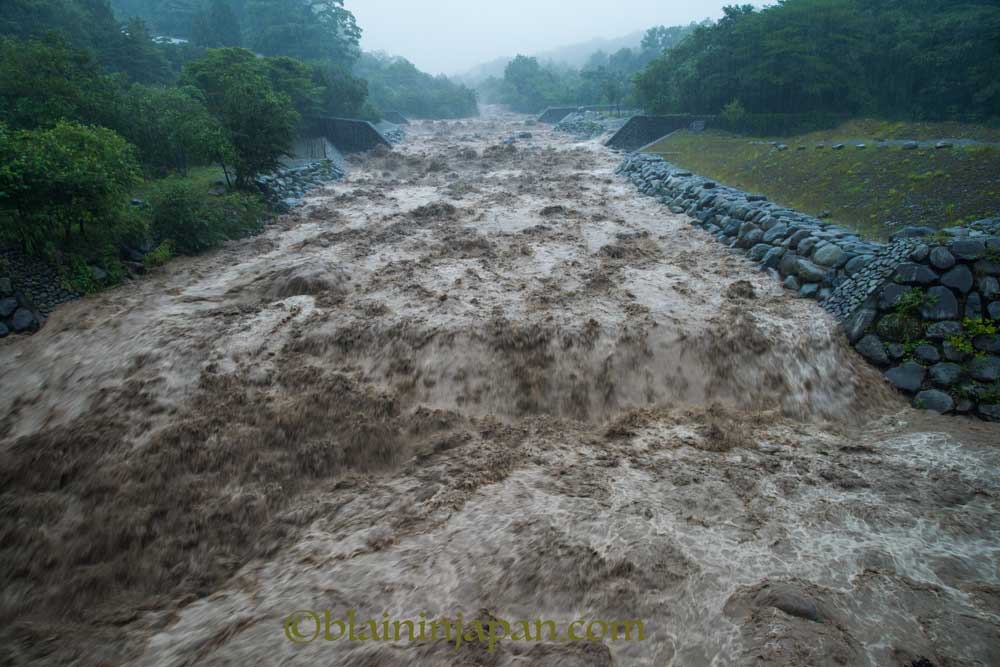
River in Nikko, Japan during Typhoon
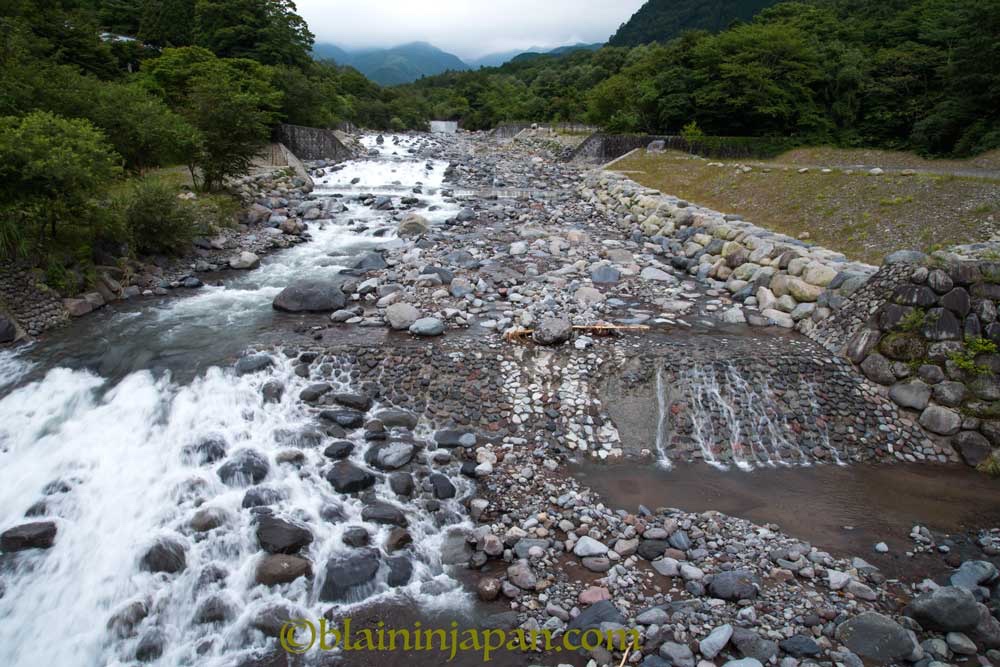
River in Nikko, Japan the day before the Typhoon
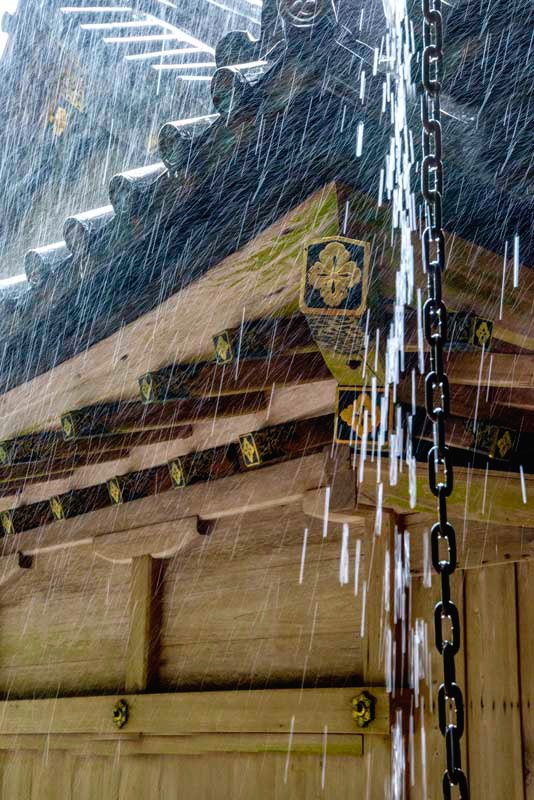
Toshogu Shrine photographed during Typhoon Nikko, Japan
After checking out, I drove the lead SUV to the main fire hall, and everything was suspiciously still. As an ex-rescue specialist, I was a little shocked not to rescuers milling about getting ready for armageddon. My team and I got out of our vehicles, and we talked to the fire/rescue chief head of Nikko's FDMA, Fire, and Disaster Management Agency and his team, and I asked, "So, what do you recommend we do?" They were overwhelmed and more than helpful because someone had the good sense to ask about the correct course of action. The chief showed me the weather charts and the course of the Super Typhoon approaching.
We could see that there was only a small window of time to get from Nikko to Tokyo before people would be stranded in transit. The highways were soon to be clogged with hundreds of thousands of tourists who were all going in the wrong direction. The Aerial photo below shows only one small section of highway and region and where the river water had overflowed the roads, making them impassible. In fact, there were now 10 km lakes in many areas where there hadn't been before. Over 50% of those who had fled Nikko in the morning were stranded in vehicles; the lucky ones were stranded at roadside rest stops. It took three days for the waters to recede. Military helicopters plucked stranded residents from roofs after waters surged over a wide area when the raging Kinugawa river burst its banks in Joso, north of Tokyo, swamping the city of 65,000 people. Dramatic aerial footage showed whole houses being swept away by raging torrents, in scenes eerily reminiscent of the devastating tsunami that crushed Japan's northeast coast in 2011.
As a final word of caution, if you want to take a Japan photography tour safely, or any photo tour worldwide, make sure you travel with an experienced adventurer who has an entire team and is a local to the region or has scouted the area for at least three to five years and not three to five days. Your leader should understand the region's topography weather patterns for the four seasons and know emergency evacuation procedures, and be prepared for anything that could happen to make your trip carefree.
I always recommend to have rain and snow covers; you never know what weather you will run into while on a photography adventure. If you have any questions, please feel free to contact me!
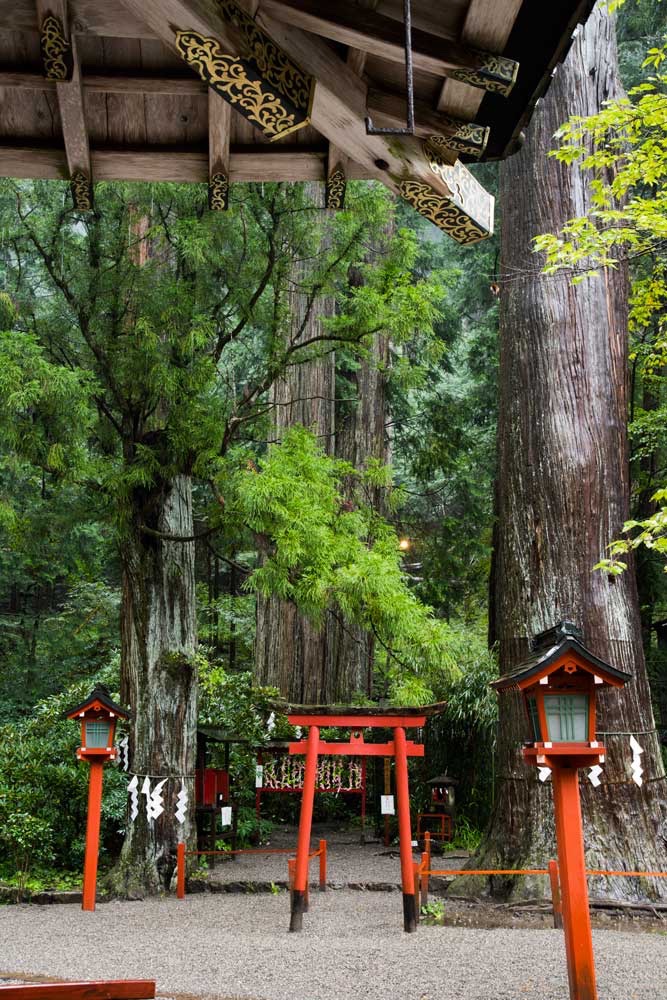 Rinnō-ji Buddhist Temple Nikko, Japan
Leave a comment
0 Comments